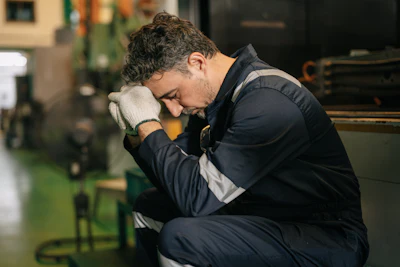
Engineering culture has long rewarded endurance. In manufacturing, utilities, industrial design, aerospace, construction, and energy, many professionals are expected to stay available at all hours, respond to emergencies without hesitation, and carry enormous responsibility with little room for error. Over time, that pressure can become more than just exhausting. It can reshape a person’s physical health, emotional stability, relationships, and decision making.
For many industrial professionals, burnout does not arrive all at once. It builds slowly through years of overnight calls, rotating shifts, production deadlines, travel demands, and high stakes problem solving. Some begin relying on alcohol to decompress after work. Others turn to prescription medications after surgeries or chronic pain develops from years in the field. Anxiety, sleep disruption, and emotional detachment often follow close behind.
Ocean Ridge Recovery is a California-based treatment center that provides individualized care for addiction, mental health concerns, and co-occurring conditions. The facility also offers executive-focused treatment options designed for professionals who need privacy, flexibility, and specialized support while stepping away from demanding careers.
Burnout Normalization
In many industrial environments, burnout is treated almost like a badge of honor. Engineers and plant managers are often praised for sacrificing sleep, working weekends, and staying connected during vacations. Over time, that behavior becomes normalized across entire teams.
The problem is that the human nervous system does not adapt endlessly to chronic stress. Sleep deprivation affects concentration, emotional regulation, and memory. Long-term stress raises cortisol levels, contributes to anxiety, and increases the risk of depression. In industries where mistakes can carry major financial or safety consequences, mental fatigue becomes more than a personal issue. It can affect entire operations.
Many professionals in these fields also struggle with identity outside of work. Their careers become central to their self-worth. Stepping back for treatment or mental health support can feel threatening because they worry it signals weakness or instability. In reality, delaying help usually creates larger problems later.

Executive Support
Industrial professionals often avoid treatment because they assume it means disappearing from their responsibilities entirely. Facilities like Ocean Ridge have recognized that executives, engineers, and leadership personnel may need a different level of discretion and flexibility during recovery.
Executive-focused programs are designed to address addiction and mental health challenges while also acknowledging the realities of professional life. That can include private accommodations, access to work communication when clinically appropriate, and individualized treatment planning. The goal is not to encourage overworking during recovery, but to reduce the fear many professionals feel about stepping away from their careers.
Treatment may involve evidence-based therapies, psychiatric support, trauma-informed care, group counseling, and wellness practices aimed at reducing stress and rebuilding healthier routines. Many professionals entering treatment are not only dealing with substance use concerns. They are also carrying years of emotional exhaustion, untreated anxiety, or unresolved trauma linked to workplace pressure.
“Attending Ocean Ridge was an educational, individualized, accommodating, and loving experience. The staff here will go the extra mile for you and leave you feeling confident and aware of how to proceed with your life in a healthy way.” - Joe A.
High performers are often skilled at masking distress. Colleagues may have no idea someone is struggling until a major health issue, workplace incident, or family crisis forces the issue into the open.
Industry Pressure Points
Certain industrial sectors create especially intense mental strain. Utility workers, engineers, and infrastructure professionals may work through emergencies during storms, fires, equipment failures, or public safety events. Long shifts and unpredictable schedules can take a serious toll over time.
That pressure has contributed to increasing discussions around workplace mental health and addiction support in industrial sectors. Searches for terms like rehab for PGE employees reflect a broader reality that many utility and infrastructure workers are looking for treatment options that understand the demands of their profession.
There is also a cultural component that makes recovery harder in these environments. Many industrial workplaces still value stoicism and self-reliance above vulnerability. Employees may fear professional consequences if they admit they are struggling emotionally or physically.
Unfortunately, untreated burnout rarely stays contained to the workplace. It often spills into marriages, parenting, friendships, and physical health. Irritability increases. Sleep worsens. Motivation declines. People begin isolating themselves or numbing stress in unhealthy ways. At a certain point, functioning on autopilot stops working.
Pain & Dependence
Physical wear and tear is another major factor in industrial professions. Many engineers, field operators, mechanics, and plant personnel spend years dealing with repetitive strain injuries, back problems, surgeries, or chronic pain conditions.
Prescription medications that begin as legitimate medical treatment can gradually become difficult to stop. In some cases, workers continue taking opioids simply to keep functioning at the pace their job requires. What starts as pain management can evolve into dependency before the person fully recognizes it.
That is one reason conversations around painkiller addiction have become more common across physically demanding industries. Professionals may continue excelling at work for long periods while privately struggling with increasing reliance on medication, alcohol, or other substances.
Recovery requires more than simply removing the substance. Effective treatment also addresses the underlying stress, emotional fatigue, chronic pain, and behavioral patterns that contributed to the problem in the first place. Without that deeper work, many people return to the same environment with the same coping mechanisms waiting for them.
“The facilities/houses are beautiful. Staff is always there for you and great listeners! The program is extensive which includes group and therapy sessions, hiking, going to the beach and many other activities.” -Akbonfire J.
Redefining Strength
One of the hardest mindset shifts for industrial professionals is understanding that seeking help is not failure. In many ways, it requires more honesty and courage than continuing to pretend everything is fine.
The culture around mental health in engineering and industrial sectors is slowly changing. More companies are discussing employee wellness, burnout prevention, and access to behavioral healthcare. Leaders are beginning to recognize that exhausted workers are not more productive workers. They are simply running on borrowed time.
Recovery can also improve professional performance in ways many people do not expect. Better sleep, reduced anxiety, healthier coping skills, and improved emotional regulation often lead to clearer thinking and stronger decision making. Relationships at home frequently improve as well.
Stepping away for treatment may feel disruptive in the short term. But continuing down a path of exhaustion, emotional detachment, or dependency usually carries a far higher cost.
The “always on” mindset has shaped industrial culture for decades, but constant pressure eventually catches up with even the most capable professionals. Mental health support and recovery treatment are not signs of weakness. They are tools that help people regain stability, clarity, and long-term health before burnout turns into something far more damaging.