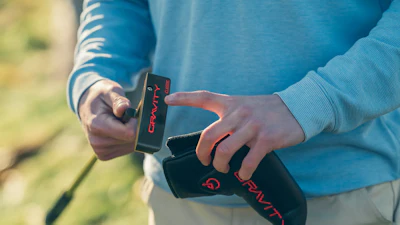
Newton Golf, which calls itself a "technology-forward golf equipment company," is expanding into unexpected territory.
The company this week said it completed the acquisition of an option to acquire the Pole Canyon project, a beryllium-tungsten property in White Pine County, Nevada. The deal gives Newton a foothold in the U.S. critical minerals sector.
Specifically, it provides the company with direct exposure to two minerals the U.S. government has designated critical to national and economic security and recommended policy changes requiring a U.S. stockpile.
But the acquisition doesn't necessarily mean that Newton Golf is getting into mining. The company said it does not currently intend to conduct mining operations directly. Instead, it will evaluate potential strategic agreements, collaborations or partnerships for the option and related rights, including joint ventures, a sale or "other structures intended to reach the Company’s goal of increasing shareholder value."
Newton Golf said it will continue operating its core business of premium golf equipment.
“This transaction demonstrates Newton Golf’s commitment to participation in a U.S.-based critical minerals asset as domestic supply chains for strategic materials receive increased attention," said Akinobu Yorihiro, interim CEO and CTO of Newton Golf, in a statement. “We are excited about advancing and monetizing this opportunity as quickly as possible. We believe that our clean capital structure offers a compelling opportunity. With approximately 6.4 million shares outstanding, we believe potential near-term business wins could create significant value-creation for investors. We intend to aggressively pursue all opportunities that present themselves from this acquisition.”
As consideration for the acquisition, Newton Golf issued shares representing 19.9% of the company's issued and outstanding common stock.
Pole Canyon is a past-producing beryllium-tungsten project consisting of 16 unpatented lode claims (MW 1-16) covering approximately 330 acres in White Pine County, Nevada, approximately 50 miles southeast of Ely. Historical project materials identify a mineralized system traced for more than 4,000 feet that was reported to remain open along strike and at depth — meaning prior work did not define its limits.