The benefits of pre-moistened wipes in an industrial facility are well established. Wipes are ready to use and portable—no need to mix chemicals or carry spray bottles and rags—and they are dosed with the exact quantity of cleaning and/or disinfecting solution needed, ensuring the right amount reaches the surface every time. Wipes are used once and thrown away, eliminating the risk of contamination across surfaces that can occur with used rags.
It can be tempting to assume the differences amongst wipe products come down to brand, count, or price. But when you look at the jobs being performed across an industrial facility, it quickly becomes clear that removing oil and adhesives from tools isn't the same as wiping fingerprints from stainless steel. Everyday surface cleaning is different from removing graffiti. And cleaning a surface is not the same as disinfecting it.
The best place to start isn’t with the wipe. It’s with the job.
Start with the Application
One of the simplest ways to evaluate a wipe is to start with the soil, surface, and task.
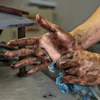
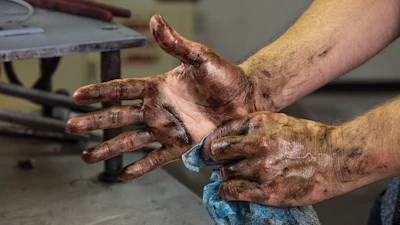
Industrial cleaning can mean tackling everything from oil and lubricants to adhesives, paint, and other tough soils. Wipes for these tougher soils need industrial-strength cleaning and, depending on the work environment, may also need to clean hands, tools, and equipment without a sink or water source.
Everyday cleaning presents a different set of needs: sticky residue, fingerprints, scuff marks, and other common soils are common across cafeterias, schools, community buildings, transportation facilities, and vehicles. In those settings, versatility across materials and soils can matter.
Then there are specialized applications. Metal surfaces, for example, may require a product designed not only to clean, but also to polish and help prevent smudges and fingerprints. Graffiti removal brings an entirely different challenge, requiring a solution designed to cut through spray paint on surfaces commonly found in public and commercial facilities and parks and recreation centers.
Even the wipe's construction should match the application. For tough industrial cleaning, a dual-texture design can provide a scrubbing side to lift heavy soils and a smooth, fine-fibered side to trap soil and prevent redeposition. For stainless steel, that same two-sided approach can serve a different purpose, with one side used to cleanse and the other side to polish.
Cleaning and Disinfecting Are Different Jobs
Defining the job becomes even more important when the task moves beyond removing visible soils. A disinfecting wipe serves a different purpose and must carry an EPA registration for facilities requiring that level of surface protection. Whereas a cleaning wipe is designed exclusively to remove soils, a disinfecting wipe must also provide a sufficient dose of disinfecting solution to a surface to ensure that germs are fully neutralized.
In some environments, regulatory and certification considerations may factor into wipe selection. Depending on the product and application, credentials such as NSF certification may be relevant. Foodservice and janitorial services, for example, may weigh compliance considerations differently than general industrial and MRO environments.
Consider Where the Work Actually Happens
Where and how a product will be used matters, too. A cleaning wipe stationed in a facility may solve one need, whereas a worker moving between jobs, vehicles, or locations may need something different. For workers on the go, a compact format that fits in a toolbox, door pocket, center console, or glove compartment keeps cleaning within reach. Across a facility, that might mean stocking different solutions based on where cleaning happens and what workers encounter there.
Build the Wipe Program Around the Work
A better purchasing decision starts with the work itself. What needs to be removed? What surface is being cleaned? Where will the product be used? Does the environment require particular certifications or registration? And does the worker need the product at a fixed station or with them as they move from job to job? Those questions lead to a much more informed purchasing decision. One wipe doesn’t have to do everything; it has to do its intended job well.