Formic, a robots-as-a-service company, has raised $50 million in growth capital. The financing includes a Series B led by Mercato Partners, with participation from Light Ray Ventures, Lightscape Partners, Citi, and other new and existing investors, along with debt financing from S2G Investments.
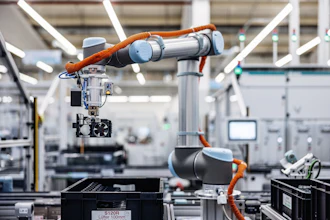
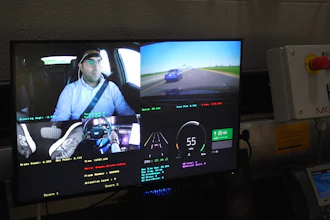
As AI models and robotics hardware become more capable (see video below), getting robots to work reliably in real-world production environments remains challenging. For more than five years, Formic has been solving this problem across American factory floors in more than 30 states, accumulating more than 750,000 hours of live production experience. Its AI-powered software, robots, field operations, financing model and production data infrastructure turn robotic capability into measurable industrial output.
Drawing on the team’s deep operational knowledge of deploying robots nationwide, Formic is expanding from task-specific automation into general-purpose robotics, enabling a broader range of robots to perform increasingly complex tasks across industries through a single platform that builds on the operational intelligence gained with each deployment.
The funding will accelerate that shift and strengthen Formic’s AI and robotics capabilities. It will also help the company expand into new applications such as metal fabrication and deepen its work in aerospace, space, defense, medical, energy and the broader U.S. industrial base.
Formic’s Robot-as-a-Service model combines equipment, deployment software, field operations, maintenance, financing and performance monitoring into one platform with recurring monthly payments.
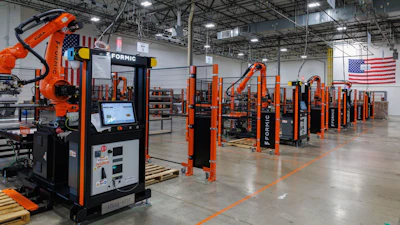
The company operates hundreds of robots across more than 100 facilities in over 30 states. Its fleet runs at 99.6% uptime, and 97% of customers renew. Applications span palletizing, case packing, machine tending, kitting and assist work across food and beverage, consumer packaged goods, chemicals, aerospace, defense, packaging and the broader U.S. industrial base.
These deployments represent more than an installed base. They provide the operational foundation for the company's next phase of scale and growth. Every robot operates in a real production environment, generating data about tasks, operating conditions, performance and corrective actions. That feedback helps inform robot improvements and future deployments, creating the potential for a compounding advantage as the fleet grows and robotic capabilities advance. Formic now deploys robots into production approximately three times faster than it did a year ago.
The next generation of physical AI will expand what robots can do. Formic's strategy is to serve more industries, automate more tasks and deploy more types of robots through the same underlying platform, applying lessons and data collected from today's task-specific operating fleet to train the next generation of general-purpose robotic systems.
Formic is already advancing this work with physical intelligence, combining its robotic foundation models with production data and operational expertise to adapt them for manufacturing applications.
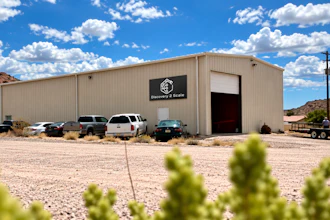
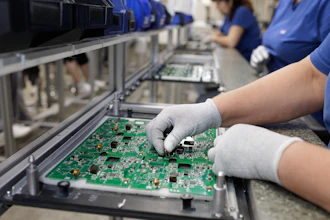
The company assembles and tests its robots at its new facility in Bolingbrook, Illinois, and develops new capabilities at its R&D center in Oakland, California, giving it the capacity to deploy at a scale few can match.