As we approach 2026, manufacturing is entering a period of profound transformation. Emerging technologies - particularly AI, automation, and robotics - are reshaping how work is done, how products are made, and how innovation occurs. The organizations that will thrive are those that treat technology as a partner rather than a replacement for human talent, integrating operational excellence with workforce development and strategic foresight.
Technology Reshaping Work, Not Replacing It
In 2026, the nature of work in advanced manufacturing and aerospace will continue to evolve, but human talent remains at the center. Automation, robotics, and digital tools are increasingly taking on repetitive, hazardous, or highly precise tasks, freeing employees to focus on higher-value work that relies on creativity, judgment, and problem-solving. Rather than eliminating jobs, these technologies are reshaping roles, creating opportunities for workers to contribute in ways that machines cannot replicate.
The most successful organizations will be those that embrace this transformation by investing in workforce development and creating flexible, skill-rich career pathways. Employees who can collaborate across disciplines, iterate quickly on prototypes, and integrate insights from complex processes will become indispensable.
High-precision manufacturing and rapid prototyping environments demand both technical skill and operational judgment, and organizations that empower employees to experiment, learn from outcomes, and continuously refine methods will drive faster innovation cycles.
In industries like aerospace, where safety and precision are paramount, human oversight and ingenuity remain essential. Technology can enhance speed and consistency, but employees still define quality, troubleshoot unexpected issues, and make decisions under uncertainty. By viewing workers as innovators rather than operators, companies can leverage technology to reshape work while preserving and elevating the human contribution that ultimately drives progress.
Regulatory, Trade, and Policy Shifts: Navigating Complexity
Global trade, regulatory frameworks, and evolving policies will continue to influence manufacturing and aerospace operations. Tariffs, export controls, and compliance requirements present both challenges and opportunities.
Organizations that anticipate these shifts and integrate strategic foresight into planning will maintain a competitive advantage. Diversifying supply chains, building regulatory intelligence, and embedding risk management into operational decisions will become critical capabilities.
While regulation ensures safety and quality, excessive oversight can slow innovation, increase costs, and create unintended safety risks. Companies that balance compliance with operational flexibility will be able to experiment safely and advance technology responsibly.
Geopolitical trends and evolving international agreements will influence sourcing, pricing, and operational decisions. Organizations that monitor these factors proactively, rather than reactively, will be better positioned to optimize supply chains, expand into new markets, and turn potential disruptions into strategic opportunities.
Strategic Opportunities
AI, automation, and emerging technologies are redefining what is possible, but only when deployed thoughtfully alongside human expertise. Technology alone does not create a competitive advantage; success comes from pairing advanced tools with a skilled, adaptable workforce.
Organizations that integrate AI and automation strategically can accelerate prototyping, improve precision in manufacturing, and optimize complex operations. Predictive analytics, generative design, and automated quality checks can reduce errors and shorten development cycles, but mission-critical decisions, problem-solving, and innovation still rely on human insight.
The most successful companies will empower employees to work alongside these technologies, providing training and opportunities to leverage AI and automation as force multipliers. By doing so, human talent can focus on higher-value contributions - solving complex problems, designing novel solutions, and driving strategic innovation.
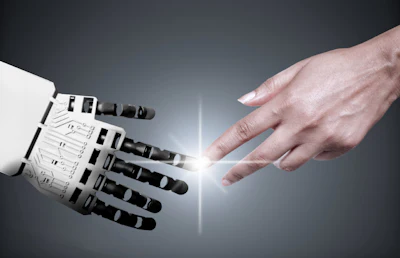
In this human-technology partnership, the workforce is not replaced; it is amplified, unlocking productivity, quality, and innovation at unprecedented levels.
Organizations that embrace workforce development, strategic adoption of emerging technologies, and disciplined experimentation will thrive. Breakthroughs will emerge from organizations that cultivate adaptable, skilled teams capable of leveraging AI, automation, and robotics to amplify their impact.
By reshaping jobs thoughtfully and integrating technology strategically, companies will not only enhance productivity and precision, but also preserve human creativity, judgment, and expertise that remain essential. The future is not about replacing the workforce; it is about elevating it.